 Skip to content


5 Things To Know Before Getting a Dental Bridge
Everyone deserves a healthy smile that can make them feel confident. Though most people try to avoid dealing with missing teeth, some do end up in such a situation. Having broken teeth can affect your self-esteem, confidence, and overall personality while also impacting your oral health. Thankfully, treatments like dental bridge procedures can help restore your smile’s beauty and ensure stronger pearly whites.
What Is A Dental Bridge?
A dental bridge is a teeth restoration device made from porcelain or resin. It’s an affordable yet effective way to regain a lost tooth or a series of them. Often referred to as a partial denture, filler, or false teeth, a bridge is connected to crowns that secure the device to natural teeth.
Are you deciding to go with teeth bridges to get your beautiful smile back? That’s a great idea! However, there are a couple of things you need to consider to get the most out of this treatment. For instance, what to expect during the treatment, types of bridges, and post-treatment care routine.
Here, we’ve listed 5 key things to know before getting a dental bridge.

What to Expect During the Dental Bridge Procedure?
Don’t let missing teeth affect your personality when a solution is within your reach. A dental bridge is one of the best missing tooth replacement options you can opt for. As it covers the gap between the teeth using the adjacent healthy ones, it consequently restores their function and appearance. A qualified dentist takes several steps to perfectly fit this prosthetic device in your mouth.
Here is what you can expect during the crown and bridge dental procedure:
-
Assessment:
The initial step is to assess the need for missing teeth replacement and determine whether it’s the ideal alternative. A specialist will examine the area using X-rays to understand your situation. Based on the evaluation, they’ll discuss the possible options with you, including the design and type of bridge.
-
Teeth Preparation and Temporary Bridge Placement:
This procedure usually takes two appointments to finish. During your first visit, your dentist will prepare your existing, healthy teeth for the placement of the device. It is necessary to remove their enamel structure so that the crown gets the support to hold the dental bridge. Meanwhile, temporary bridges may be put in place while your permanent ones are being made.
-
Permanent Bridge Placement:
The second dental bridge procedure appointment will happen as soon as your unique device is ready. Like the first visit, a local anaesthetic will be applied at the beginning for your comfort. Your dentist will remove the temporary bridge and clean the underlying teeth if necessary. For fixing the permanent bridge, they might use dental cement on your healthy teeth. The device may feel unfamiliar at first, but it usually wears off quickly.

Types of Dental Bridges
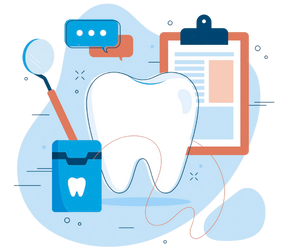
A mouth bridge fills the gap left by missing teeth, whether it’s from decay or dental injury. Moreover, it can help you speak and eat normally while providing stability to the jaw muscles. With many dental bridge types available, choosing the best can get difficult. Although your dentist will recommend one based on your goals, it’s better to know each dental bridge’s pros and cons:
-
Traditional Dental Bridge:
As one of the most common types, it contains dental crowns on both ends with artificial teeth in between. Your dentist may use traditional dental bridges if your adjacent teeth are healthy.
-
Cantilever Dental Bridge:
What if you only have natural teeth on one side of the missing teeth? In that case, your dentist will use a cantilever bridge that has one crown to secure the bridge onto your healthy tooth. These types are not as strong as the traditional ones due to their design.
-
Maryland Bonded Bridge:
The third on the list is a resin-bonded bridge. Made from plastic teeth and gums, this type uses metal wings instead of crowns to fasten your bridge. Your dentist will bond the framework to the backs of your neighbouring teeth to secure the device. Individuals with dental phobia can go for Maryland bridge dental treatment as it’s less invasive than other types.
Alternatives to Dental Bridges
When it comes to missing tooth replacement, there are several restorative options available. Apart from dental bridges, the choice often boils down to dentures and implants. Knowing the difference between them is the key to making the right decision that suits your oral health and budget.
Most people often find the teeth bridge cost to be expensive. For them, dentures can be a cheaper alternative. They are removable devices that replace several or all teeth. Although dentures are a non-invasive, inexpensive technique, they are less durable than using crowns for teeth replacement. In short, dental bridges could last for 15 years or more.
Another durable alternative, however, more expensive than teeth bridges is dental implants. They tend to last much longer than bridges and provide better functionality. Moreover, there is no need to alter the adjacent teeth in any way to install dental implants. Indeed, they’re a good option, however, not everyone is a good candidate for this treatment. So, dental bridges or false dentures may be your only choice if you’ve poor oral health.
Maintaining a Bridge Requires Careful Hygiene
Once you’ve replaced your missing teeth with a quality dental bridge, you may need some time to get used to the new prosthetic device. However, caring for dental bridges is another essential factor in their long-term success. Take motivation from the fact that, with proper care, they could even last for more than 15 years.
One of the most crucial aspects you need to look after is carefully brushing and flossing with bridges. Moreover, you should avoid certain habits that can impact their stability. Since bridges are attached to adjacent teeth, make sure to not eat sugary foods that may damage them. Check out some dos and don’ts post this treatment:
Essential Care Tips for Maintaining Your Dental Bridge
-
Brush twice daily for at least two minutes with a soft-bristled toothbrush
-
Get a Proxabrush, if possible, to clean under your bridge effectively
-
Floss once daily
-
Use antiseptic mouth rinse and fluoride toothpaste for better results
-
Eat fibre-rich fruits and vegetables
-
Do not chew hard foods like shells and bones
-
Avoid using teeth as tools to open bottle caps, cut plastic ties, or other tasks
-
Schedule visits with your dental hygienist for a regular check-up
-
Try not to consume food or drinks rich in sugar to prevent tooth decay
Advantages of Dental Bridges
Getting your beautiful smile back is undeniably the best outcome of a dental bridge procedure. Its other benefits include:
-
Helps improve the patient’s speech
-
Supports the ability to chew properly
-
Slows down bone deterioration
-
Prevents sunk-in facial appearance due to missing teeth
-
Improves your confidence
-
Provides affordable solution
Contact Tooth-n-Gum Dental for Your Dental Bridge Treatment
If you’re searching for a specialist for your dental bridge procedure in Huntingdale, Melbourne, you’ve come to the right place. Tooth-n-Gum Dental is one of the leading clinics that provide affordable solutions to ensure you smile with confidence. With our commitment to your dental well-being, you can get healthy teeth that remain strong and vibrant. Rest assured, no matter the complexity of your dental issue, we’ll provide you with the best care.
Do you wish to know our teeth bridge cost in Huntingdale, Melbourne? Call us on 03 8555 2447 or email reception@toothngumdental.com.au to book an appointment.